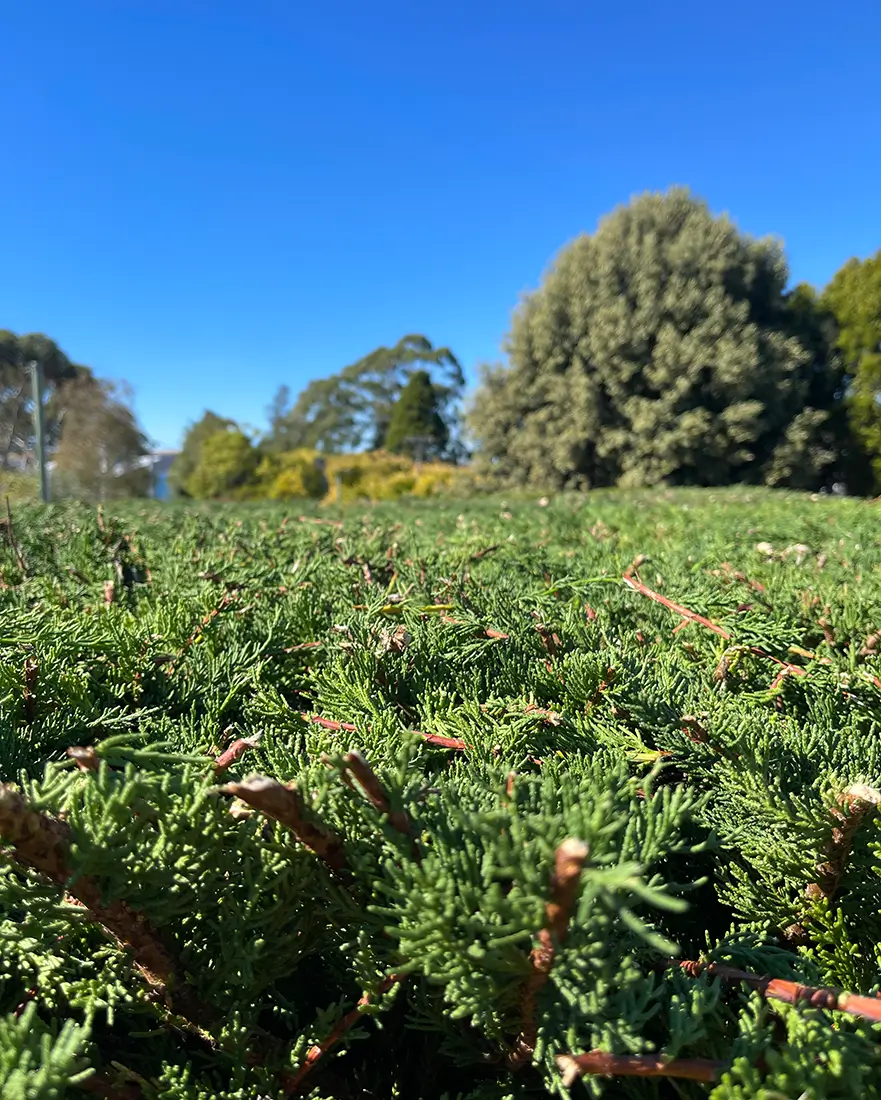

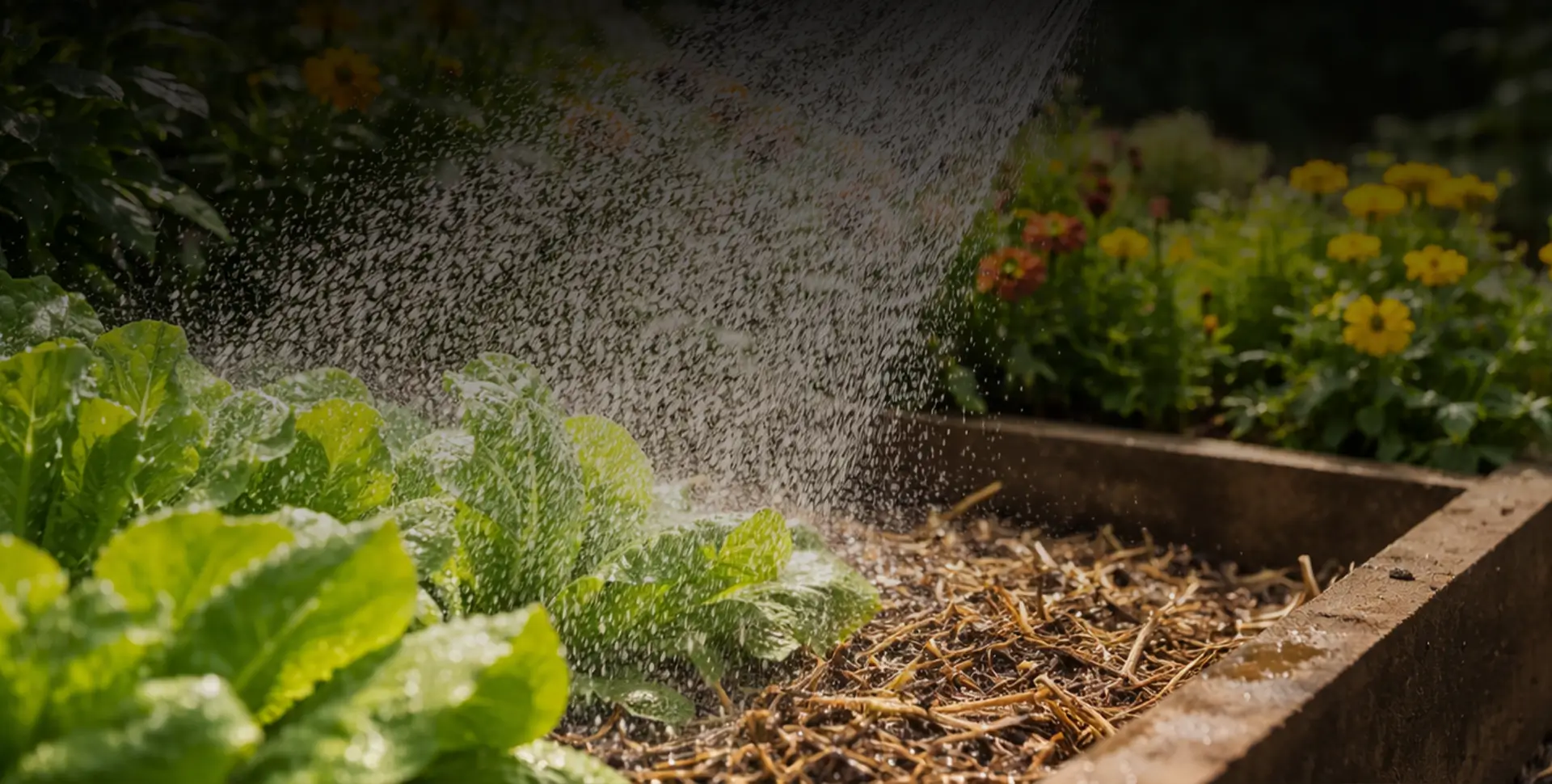
As holidays wind down across Tasmania and everyone heads back to work, our gardens often get left behind. Warm days, coastal winds and drying soils can stress lawns, trees and garden beds surprisingly quickly — especially around Hobart and the drier eastern side of the state.Whether you’re in Hobart, Kingston, Huon Valley, Glenorchy, Sorell or the Channel, one thing is the same: if you want a healthy yard, consistent watering matters.
Here’s how to keep your Tasmanian lawn, trees and garden thriving — even when work life gets busy again.
Why watering is especially important in Tasmania’s summer and early autumn
Tasmania may have a cooler climate than the mainland, but we still see:
- hot northerly winds
- strong UV
- dry patches through summer
- shallow, sandy or clay soils in many suburbs
- long daylight hours
These conditions mean plants lose moisture quickly.
Lawns can brown off, veggie gardens wilt, and young Tasmanian native trees such as eucalypts and wattles can suffer transplant shock without deep watering.
Even established trees can become stressed, leading to:
- dead limbs
- insect attack
- fungal disease
- branch drop risk
This is why regular watering — done properly — is key.
How to water your Tasmanian lawn and garden effectively
1. Water deeply rather than every day
Tasmanian soils benefit from slow soaking rather than quick sprinkles.
Deep watering:
- trains roots to grow down
- improves drought resistance
- reduces brown patches in lawns
Aim to wet the soil 15–30 cm deep.
As a guide for Tasmania:
- lawns: 1–2 deep waterings per week
- new trees: slow soak once–twice weekly
- garden beds: 2–3 times per week in hot weather
Light, frequent watering only encourages shallow roots.
2. Water early in the morning (best for Tasmanian conditions)
The best time to water in Tasmania is before 10am. This:
- reduces evaporation from wind and sun
- allows foliage to dry during the day
- reduces fungal risk in cool evening air
- keeps lawns greener for longer
Evening watering is fine if needed — just avoid wet foliage overnight in cooler southern Tasmanian climates.
3. Prioritise the plants that need it most
If you’re back at work and short on time, focus on:
- new trees and shrubs
- fruit trees
- veggie patches
- hedges
- potted plants
Newly planted Tasmanian natives still require watering in their first 1–2 summers — even though they’re “drought tolerant” once established.
A quick test:
- Stick your finger 2–3 cm into the soil
- Dry? It needs watering
4. Mulch is essential in Tasmanian gardens
Mulch helps hugely with our Tasmanian climate’s drying winds. It:
- keeps roots cooler
- prevents evaporation
- improves soil structure
- controls weeds
Best mulches for Tasmanian gardens include:
- woodchips
- pine bark
- pea straw for vegetables
- composted mulch
Apply 5–10 cm thick and keep it slightly away from tree trunks.
5. Consider irrigation or timers if you’re busy at work
Heading back to work in Hobart means less spare time.
Watering solutions that help:
- drip irrigation
- soaker hoses
- sprinkler systems with timers
Timers are ideal for busy families and tradies — set them early in the morning and your garden waters itself.
This is especially helpful in:
- rental properties
- Airbnbs
- holiday homes
6. Lawn care tips for Tasmanian conditions
To keep your Tasmanian lawn green:
- mow slightly higher in summer to shade roots
- leave clippings as mulch
- aerate compacted clay soils
- water deeply rather than frequently
Brown doesn’t always mean dead — Tasmanian lawns often bounce back after rain — but regular watering prevents stress.
Back-to-work watering checklist
Before life gets busy again:
✔️ Check moisture around trees and hedges
✔️ Top up mulch
✔️ Set watering timers or phone reminders
✔️ Move pots out of hot afternoon sun
✔️ Give new plantings extra attention
A little effort now avoids dead plants later.
Need help with trees, hedges or garden safety?
If you live in Hobart or Southern Tasmania and would like:
- tree health checks
- pruning or hedge maintenance
- safe tree removal
- storm-damage prevention
Matthew Clements Tree Service can help.
Healthy trees, safe properties, and greener hedges — that’s what we’re here for