A well-maintained garden doesn’t happen by chance. Regular tree and shrub pruning helps keep your outdoor space healthy, safe, and visually appealing while encouraging strong growth and vibrant flowering.
Whether you’re caring for native Australian trees or ornamental shrubs, knowing when and how to prune can make all the difference. Hobart’s cool temperate climate creates unique growing conditions, so timing your pruning correctly is essential for achieving the best results.
Why Pruning Is Important
Pruning is much more than simply cutting branches. Done correctly, it improves the health and longevity of your trees and shrubs while enhancing the overall appearance of your property.
Regular pruning can:
- Remove dead, damaged, or diseased branches
- Encourage healthy new growth
- Improve flowering and fruit production
- Increase sunlight and airflow throughout the canopy
- Reduce the risk of falling limbs
- Maintain the natural shape of the tree
- Improve safety around homes, driveways, and powerlines
For many native species, light and consistent pruning is far more beneficial than heavy cutting every few years.
General Tree Pruning Tips
Start with Dead or Damaged Branches
The first step in any pruning job is removing branches that are dead, broken, or showing signs of disease. This prevents decay from spreading and allows the tree to direct its energy into healthy growth.
Don’t Remove Too Much at Once
A common mistake is over-pruning. As a general rule, avoid removing more than 20–25% of a tree’s canopy in a single season. Excessive pruning can stress the tree and make it more vulnerable to pests, disease, and harsh weather.
Make Clean Cuts
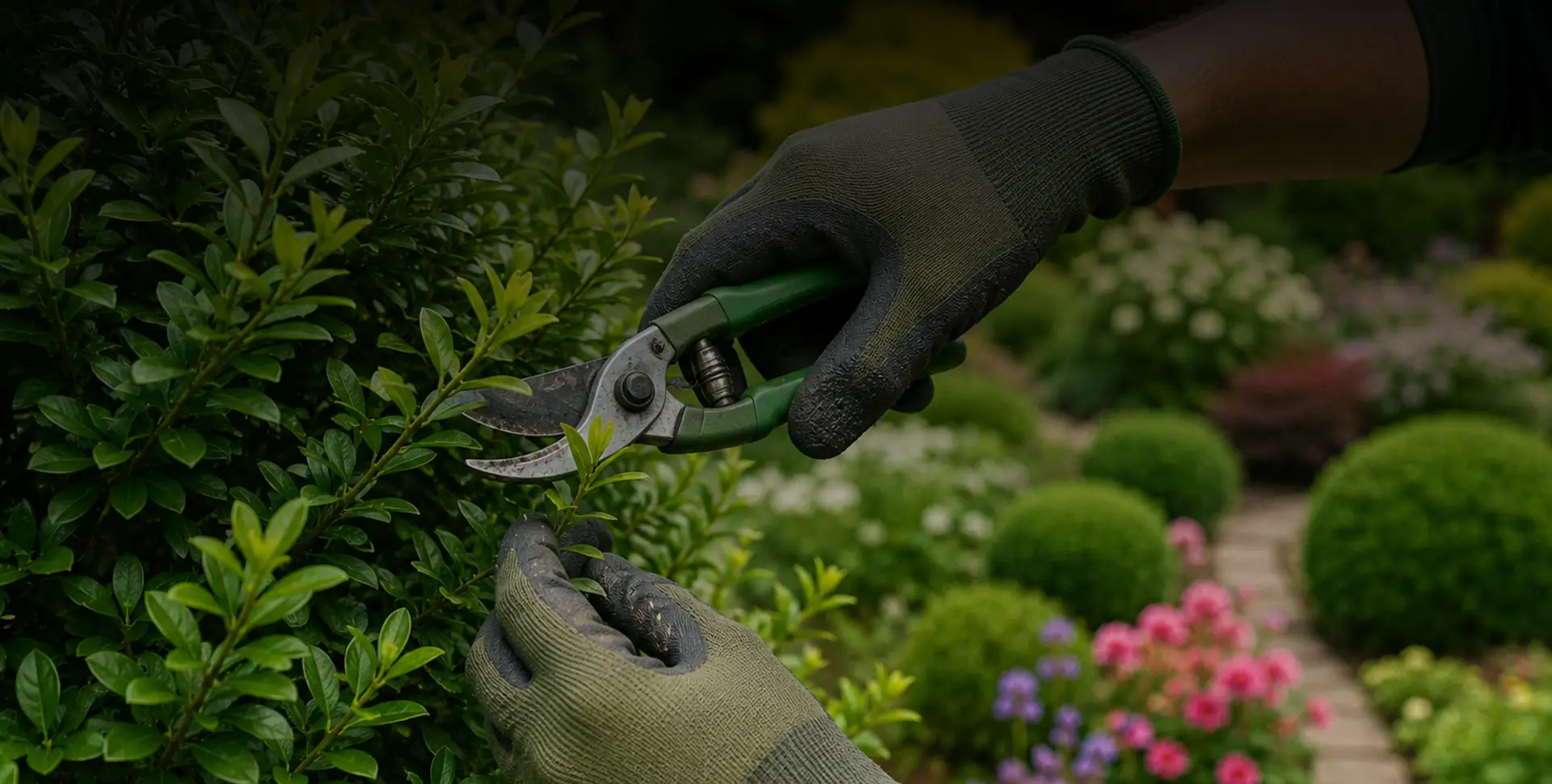
Always use sharp, clean tools and cut just outside the branch collar (the swollen area where the branch joins the trunk). This allows the tree to heal naturally and reduces the chance of infection.
Maintain the Tree’s Natural Shape
Rather than forcing a tree into an unnatural form, work with its natural growth habit. Native Australian trees are adapted to their environment and generally perform best when lightly shaped rather than heavily trimmed.
Pruning Native Australian Trees and Shrubs
Tasmania is home to a wide variety of beautiful native plants that respond well to careful maintenance.
Eucalypts (Gum Trees)
Young gum trees benefit from formative pruning that establishes a strong structure and removes weak or crossing branches. Mature eucalypts generally require only minimal pruning, focusing on deadwood removal and safety.
Heavy pruning of established gum trees should always be carried out by a qualified arborist, as incorrect cuts can weaken the tree and increase the risk of limb failure.
Bottlebrush (Callistemon)
Bottlebrush shrubs respond well to light pruning immediately after flowering. Removing spent flowers encourages dense growth and often leads to another flush of blooms.
Grevilleas
Grevilleas appreciate regular tip pruning throughout the growing season. Light trimming helps create a bushier plant and promotes abundant flowers that attract birds and pollinators.
Wattles (Acacia)
Many wattles benefit from pruning after flowering to maintain their shape and encourage vigorous new growth. Avoid cutting back into old wood unless necessary.
Seasonal Pruning Guide for Hobart Gardens
Hobart experiences four distinct seasons, making timing an important part of successful tree care.
Summer (December to February)
Summer is ideal for:
- Removing damaged branches after storms
- Light shaping of shrubs
- Pruning fast-growing hedges
- Monitoring trees for signs of heat stress
Avoid heavy pruning during periods of extreme heat, as this can place additional stress on the tree.
Autumn (March to May)
Autumn is one of the best times for general garden maintenance.
During this season you can:
- Remove dead or diseased branches
- Lightly prune native shrubs
- Prepare trees for winter
- Improve garden structure before the colder months
Winter (June to August)
Many deciduous trees become dormant during winter, making it an excellent time for structural pruning.
Winter is ideal for:
- Crown thinning
- Removing crossing branches
- Corrective pruning
- Professional tree maintenance
With fewer leaves, arborists can clearly assess the tree’s structure and make more precise cuts.
Spring (September to November)
Spring brings rapid new growth throughout Hobart gardens.
This is the perfect time to:
- Lightly shape shrubs
- Prune spring-flowering natives after blooms finish
- Remove winter damage
- Encourage healthy seasonal growth
Avoid major pruning while trees are actively producing new shoots unless safety is a concern.
Common Pruning Mistakes to Avoid
Many homeowners unintentionally damage their trees by using outdated pruning methods.
Some of the most common mistakes include:
- Topping trees to reduce height
- Removing large branches unnecessarily
- Leaving branch stubs instead of clean cuts
- Pruning at the wrong time of year
- Using blunt or dirty equipment
- Removing too much foliage at once
These practices can weaken trees, encourage decay, and reduce their lifespan.
When to Call a Professional Arborist
While small shrubs and young trees can often be maintained by homeowners, larger trees require specialist knowledge and equipment.
It’s best to contact a professional arborist if:
- Branches are close to powerlines
- Trees are large or difficult to access
- Limbs overhang roofs or neighbouring properties
- You notice signs of disease or decay
- Storm damage has affected the tree
- Heavy pruning or canopy reduction is required
Professional pruning not only improves the appearance of your garden but also protects the long-term health and structural integrity of your trees.
Keep Your Hobart Garden Looking Its Best
Regular pruning is one of the simplest ways to create a healthier, safer, and more attractive outdoor space. By understanding the needs of native Australian trees and timing your maintenance to suit Hobart’s seasons, you can enjoy strong growth, beautiful flowering, and a thriving garden all year round.
If you’re unsure where to start or have mature trees that need expert attention, working with a qualified local arborist ensures your trees receive the right care while preserving the natural beauty of your landscape.
Need professional tree pruning in Hobart? Contact our experienced arborist team for expert advice, safe pruning services, and a free, no-obligation quote.