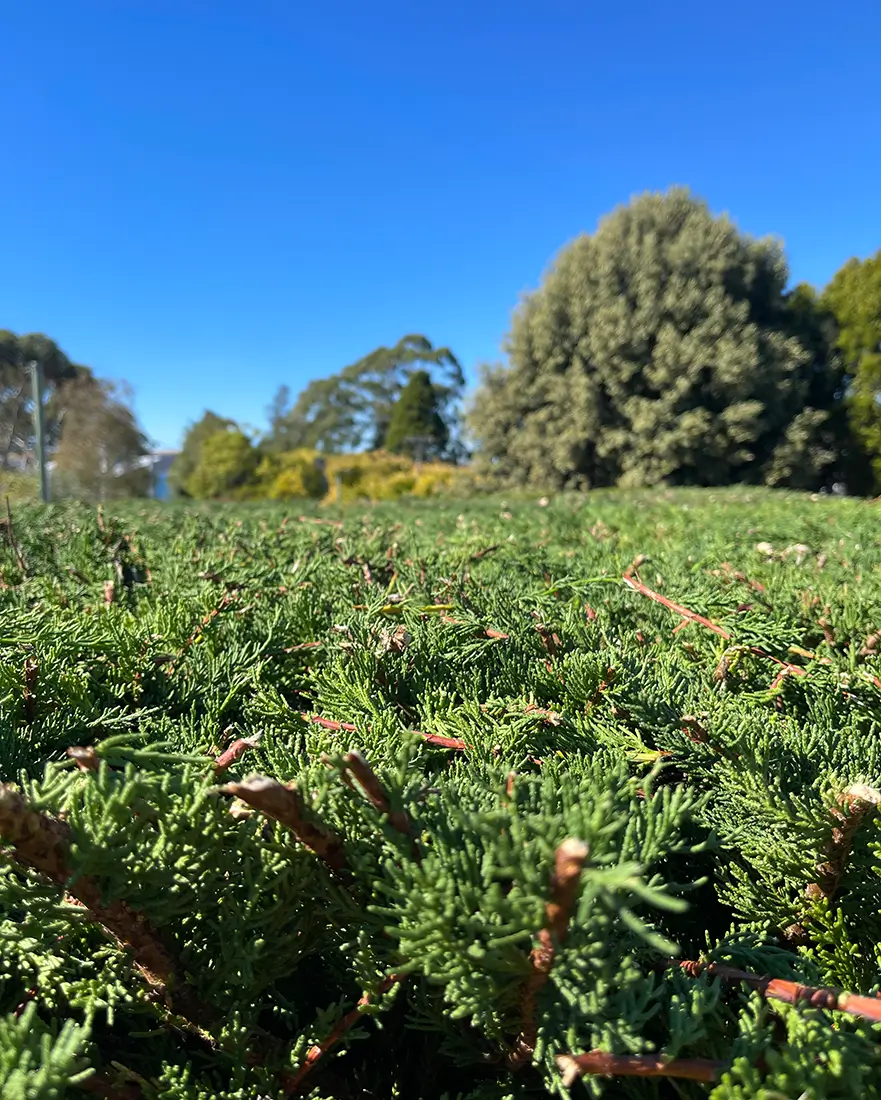

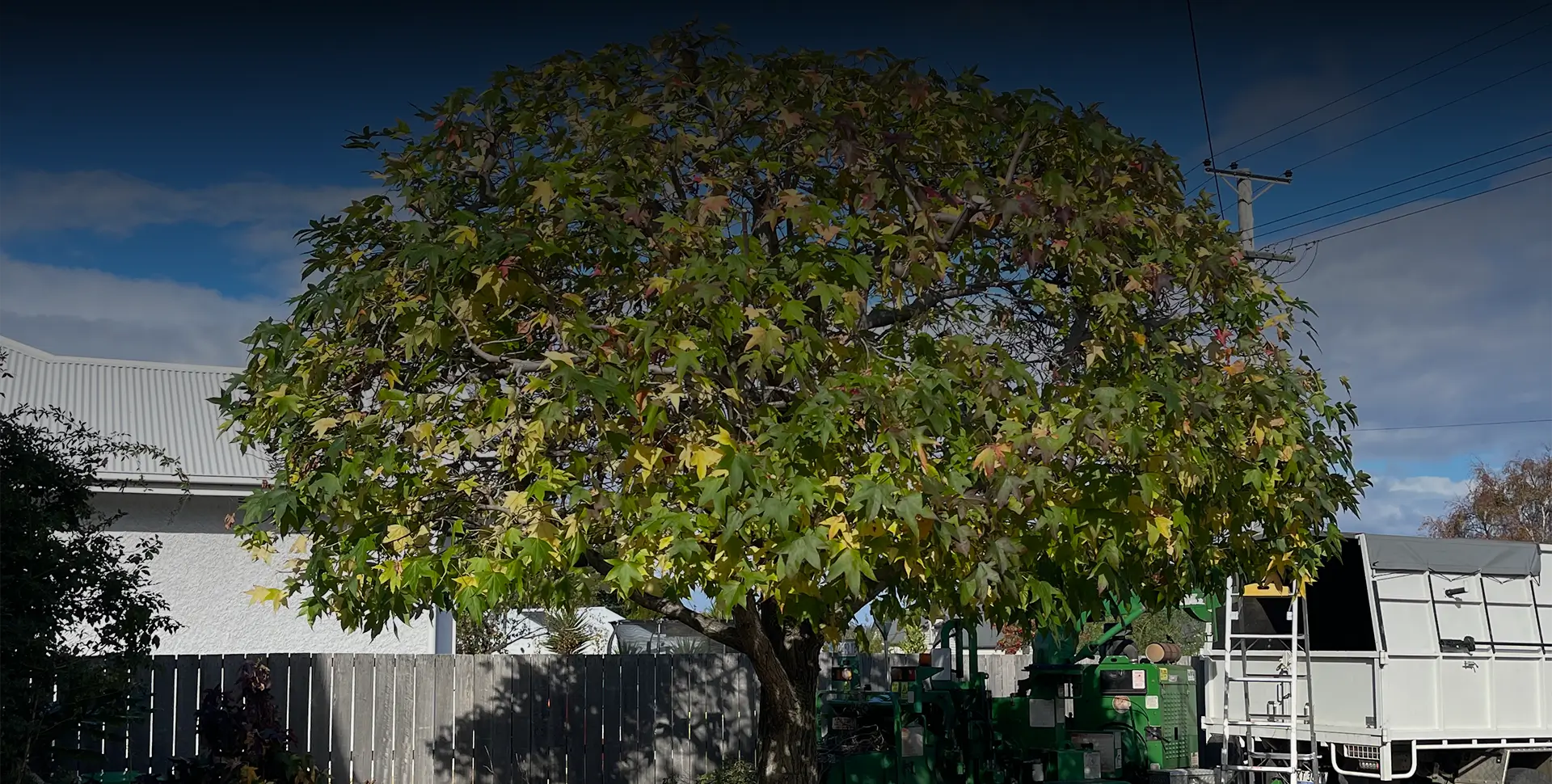
When it comes to choosing trees for your garden, picking the right species for Hobart’s unique climate is essential. The temperate climate here, characterized by mild winters, cool summers, and relatively high rainfall, creates a perfect environment for a variety of trees—whether you’re looking for shade, beauty, or native species to support the local ecosystem.
In this post, we’ll explore some of the best trees for Hobart’s climate, focusing on both native and non-native species that thrive in our region. Whether you’re planting a tree for its aesthetic value or its environmental benefits, we’ve got you covered!
1. Native Trees: Supporting the Local Ecosystem
Tasmanian Blue Gum (Eucalyptus globulus)
One of the most iconic trees of Tasmania, the Tasmanian Blue Gum is a beautiful, fast-growing evergreen that can reach up to 90 meters in height. It’s a vital species in our local ecosystem, providing habitat for wildlife such as the endangered Swift Parrot. The tree thrives in well-drained soil and is perfect for larger properties or areas where it has room to grow.
Key Benefits
- Attracts native wildlife.
- Provides shade and wind protection.
- Hardy and drought-tolerant once established.
Tip: Plant your Blue Gum away from buildings and power lines due to its large size and potential for shedding large branches.
Blackwood (Acacia melanoxylon)
The Blackwood is another beautiful native tree known for its stunning yellow flowers in spring. This tree is well-suited to the wetter regions of Hobart, and its hard timber is highly prized. Blackwoods are ideal for smaller properties because they typically grow to a manageable height of 15–20 meters.
Key Benefits
- Nitrogen-fixing, enriching soil.
- Provides excellent cover for wildlife.
- Works well in both urban and rural settings.
Tip: Perfect for wetter soils, so avoid planting it in areas prone to drought or poor drainage.
2. Australian Trees: Gorgeous and Resilient
Wattle (Acacia spp.)
Wattles are a wonderful option for any garden in Hobart. These hardy Australian natives are fast-growing and come in a variety of sizes and shapes. Their bright, cheerful yellow flowers are a hallmark of the Tasmanian landscape, and they’re easy to grow in a range of conditions.
Key Benefits
- Great for attracting native birds and insects.
- Excellent for soil enrichment due to their nitrogen-fixing properties.
- Suitable for smaller gardens or as a hedge.
Tip: While wattles are hardy, they tend to have a relatively short lifespan. Plant them alongside longer-lived trees for a balanced garden.
Banksia (Banksia spp.)
Banksias are another Australian classic that does well in Hobart’s climate. They’re tough, resilient trees with striking flower spikes, and they’re ideal for adding texture and colour to your garden. Many varieties, such as Banksia integrifolia, grow well in coastal areas, making them a great option if you live near the water.
Key Benefits
- Drought-tolerant once established.
- Unique flowers attract pollinators.
- Great for low-maintenance gardens.
Tip: Banksias prefer well-drained soils and full sun, so make sure to plant them in areas where they will get plenty of sunlight.
3. Non-Native Trees: Adding Variety and Beauty
Japanese Maple (Acer palmatum)
If you’re looking for a tree with vibrant autumn colour, the Japanese Maple is an excellent choice. Its beautiful red, orange, and yellow leaves in the fall make it a standout in any garden. Japanese Maples are well-suited for smaller gardens and thrive in sheltered areas with well-drained soil.
Key Benefits
- Stunning autumn foliage.
- Compact size makes it perfect for small gardens.
- Tolerates a variety of soil types.
Tip: Keep this tree sheltered from strong winds, as its delicate branches can break easily.
Silver Birch (Betula pendula)
A favourite in temperate climates, the Silver Birch is a graceful tree with white bark and delicate, airy leaves. It’s perfect for providing light shade and can grow in a variety of soils. Silver Birches are also quite fast-growing and can reach up to 20 meters, making them suitable for larger gardens.
Key Benefits
- Beautiful, ornamental appearance.
- Low maintenance once established.
- Attracts birds and insects.
Tip: Silver Birches prefer moist, well-drained soils, so they’re ideal for gardens with access to regular water.
4. Considerations for Choosing the Right Tree
When selecting a tree for your garden, consider the following factors:
- Space: Be mindful of how much space the tree will need as it matures. Some species, like the Tasmanian Blue Gum, can grow to a towering height, while others, like the Japanese Maple, are more compact.
- Soil type: Some trees prefer specific soil types (e.g., Banksias need well-drained soil), so be sure to choose a tree that suits your soil conditions.
- Watering needs: While many of Tasmania’s native trees are drought-tolerant, non-natives may require more water, especially during dry periods.
- Sunlight: Trees like wattles and Banksias thrive in full sun, while others, like the Japanese Maple, prefer some shade.
Final Thoughts
Whether you’re looking to plant a majestic native tree or an ornamental non-native variety, Hobart’s climate offers plenty of opportunities for creating a beautiful, thriving garden. By choosing the right species, you can enjoy the many benefits that trees provide, from supporting local wildlife to enhancing your home’s aesthetic appeal.
If you’re unsure which tree is best for your garden or need help with planting and care, our team of professional arborists is here to help. Feel free to reach out for expert advice on tree selection and maintenance.
Contact Us
Have questions or need expert advice on tree care in Hobart? Get in touch with us today for a consultation!