Tree shaping is both an art and a science. When done correctly, it improves a tree’s structure, supports long-term health, and enhances the look of your landscape — all without compromising safety. In Tasmania, where we’re lucky to have a mix of native and ornamental trees, proper tree shaping plays an important role in keeping trees resilient against wind, weather, and seasonal growth.
What is tree shaping?
Tree shaping is the careful pruning and training of a tree to guide its growth into a strong, balanced, and visually appealing form. Unlike heavy pruning or tree lopping, shaping works with the tree’s natural structure rather than against it.
The goal isn’t to force a tree into an artificial shape, but to:
- Improve structural strength
- Encourage healthy growth
- Reduce future maintenance
- Minimise risk to people and property
Why tree shaping matters
1. Improves tree health
Removing crossing, rubbing, or overcrowded branches allows better airflow and light penetration through the canopy. This reduces the risk of fungal disease and pest infestations — especially important in Tasmania’s cool, damp conditions.
2. Increases safety
Well-shaped trees are more wind-resistant. By correcting poor branch structure early, arborists can reduce the likelihood of limb failure during storms, which are common in Hobart and surrounding areas.
3. Enhances appearance
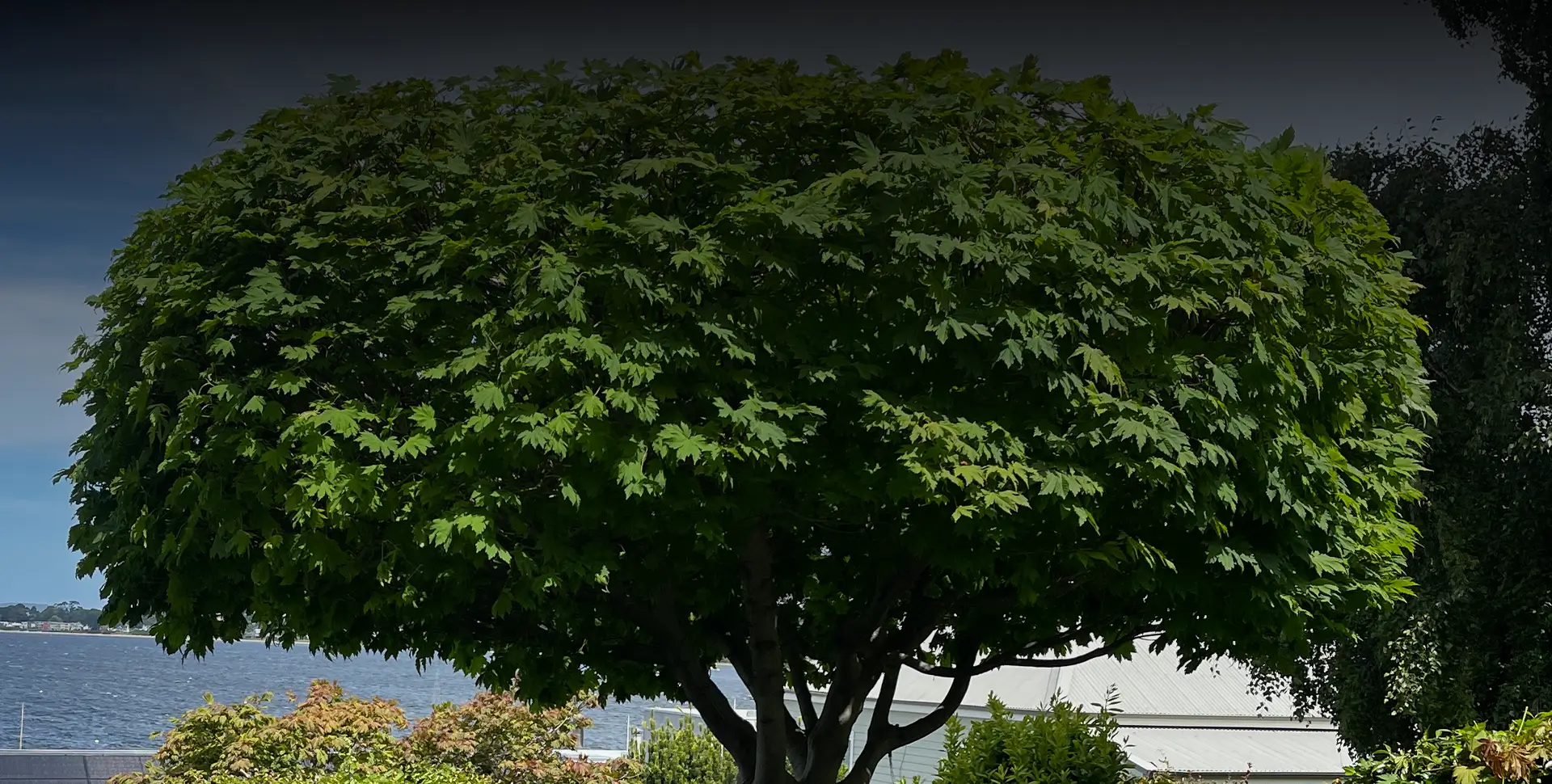
A properly shaped tree looks natural, balanced, and intentional. Whether it’s a feature tree in your garden or a row of street trees, shaping keeps landscapes tidy without making trees look over-pruned.
4. Prevents bigger problems later
Early shaping of young trees can prevent the need for heavy pruning — or even removal — later in life. It’s a long-term investment in your tree’s future.
Tree shaping vs tree lopping
Tree shaping is often confused with tree lopping, but they’re very different practices.
| Tree Shaping | Tree Lopping |
| Strategic and selective | Random or excessive cuts |
| Supports long-term health | Causes stress and decay |
| Maintains natural form | Leaves trees unbalanced |
| Reduces future risk | Increases failure risk |
Professional arborists never lop trees — shaping is always the safer and healthier approach.
When is the best time for tree shaping in Tasmania?
The ideal timing depends on the tree species, but generally:
- Late winter to early spring is best for most deciduous trees
- After flowering for many native and ornamental species
- Light shaping year-round can be done if needed for safety
Tasmanian natives like eucalyptus require special care — incorrect timing or technique can lead to excessive regrowth or stress.
Can you shape a tree yourself?
Small formative pruning on young trees can be done by homeowners, but larger or established trees should always be shaped by a qualified arborist. Incorrect cuts can:
- Weaken branch attachments
- Encourage unsafe regrowth
- Permanently damage the tree’s structure
Professional arborists understand tree biology, load distribution, and how trees respond over time — not just immediately after pruning.
Tree shaping for native vs ornamental trees
Tasmania’s unique environment means tree shaping needs to be species-specific:
- Native trees are usually shaped conservatively to maintain their natural form
- Ornamental trees can tolerate more aesthetic shaping but still need structural balance
A one-size-fits-all approach doesn’t work — especially in mixed landscapes.
Final thoughts
Tree shaping is about more than looks. It’s a proactive way to keep trees healthy, safe, and thriving for decades. When done correctly, it reduces maintenance costs, improves safety, and preserves the natural beauty of Tasmania’s landscapes.
If you’re unsure whether your trees need shaping, a professional assessment can make all the difference.